 By admin
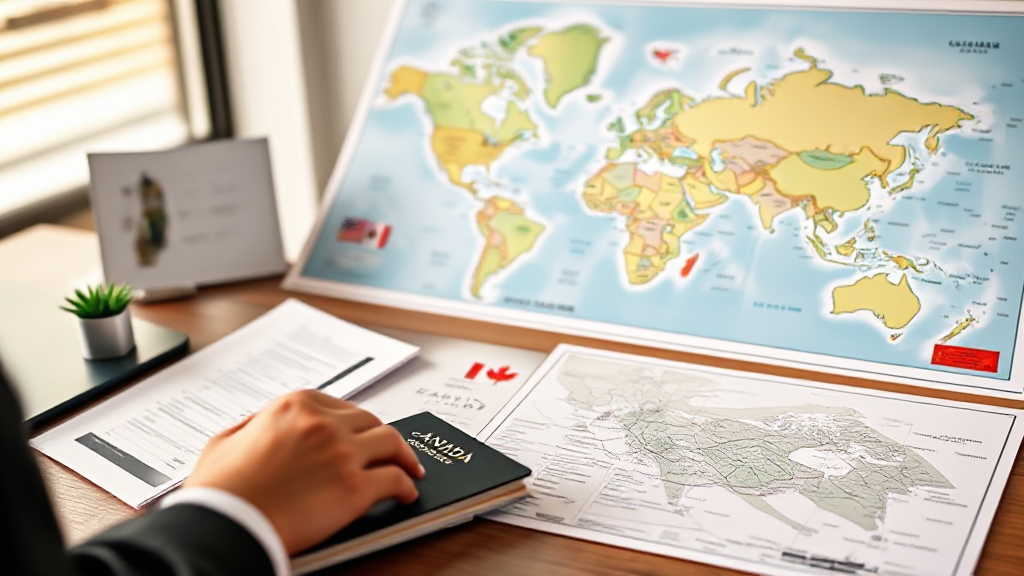
Dual Citizenship: Vanuatu and Canada Explained
Canada permits dual citizenship, which means a Canadian citizen can hold a second passport without automatically losing Canadian status. That single fact opens the door to a conversation many Canadians eventually have: what happens if I add Vanuatu citizenship to my existing Canadian citizenship? The answer is not a simple yes or no. It touches on Canadian law, Vanuatu law, tax residence, travel documentation, and the practical realities of holding two nationalities at once. For Canadians who are exploring citizenship by investment, understanding these layers before applying is essential. This complete guide walks through the legal, tax, and travel dimensions of holding Vanuatu and Canadian citizenship together, so you can make a decision based on facts rather than assumptions.
Canada’s Position on Dual Citizenship
Canada has allowed dual citizenship in various forms since 1977, and the modern legal framework is clear: becoming a citizen of another country does not cause you to lose your Canadian citizenship. The government does not require you to renounce your original nationality when you naturalize elsewhere, and it does not treat a second passport as evidence that you have abandoned Canada. This is a significant point for anyone worried about legal conflict. A Canadian who acquires Vanuatu citizenship remains Canadian in the eyes of Canadian law.
There are practical caveats, however. Canadian citizenship comes with obligations, including tax filing requirements based on residence and, in some cases, tax residency rules that apply even when you live abroad. Holding a second citizenship does not erase those obligations. It also does not change your right to enter Canada, though you should always travel with a valid Canadian passport when returning to Canada, since Canadian citizens are expected to present Canadian travel documents at the border. Dual citizenship is permitted, but it is not invisible.
Another consideration is that Canada does not formally recognize dual citizenship as a status in every administrative context. Some government forms ask you to declare other nationalities, and security clearances or certain public sector roles may require additional disclosure. For most Canadians, though, the day-to-day impact of holding a second citizenship is minimal. The key is to understand that Canadian law permits it and does not penalize it.
Vanuatu’s Stance on Dual Citizenship
Vanuatu also permits dual citizenship. The country’s citizenship framework allows applicants to hold Vanuatu citizenship alongside their existing nationality, which is one reason the programme appeals to Canadians who do not want to give up their Canadian passport. Vanuatu does not require applicants to renounce their previous citizenship, and the government does not treat dual nationality as a barrier to obtaining or maintaining Vanuatu citizenship.
That said, Vanuatu citizenship is granted under specific legal provisions, and the process is not automatic. Applicants typically go through an authorized agent, submit documentation, and meet the requirements set out under the citizenship by investment programme. The Vanuatu government retains discretion over approvals, and no applicant should assume that citizenship is guaranteed. Understanding the legal basis of the programme, including the role of authorized agents and the due diligence process, is part of responsible planning.
For Canadians, the combination of Canada’s permissive stance and Vanuatu’s permissive stance means there is no direct legal conflict. You can hold both citizenships without either country requiring you to choose. The more complex questions arise around tax, travel, and how you use each passport in practice.
Tax Implications for Canadian Dual Citizens
Tax is often the first concern Canadians raise when considering a second citizenship. The good news is that acquiring Vanuatu citizenship does not, by itself, change your Canadian tax status. Canada taxes based on residency, not citizenship. If you are a resident of Canada, you are generally taxable on your worldwide income, regardless of how many passports you hold. If you become a non-resident of Canada, different rules apply, but those rules are triggered by residency changes, not by citizenship.
Vanuatu is often described as having a favorable tax environment, but that does not mean a Canadian who obtains Vanuatu citizenship automatically escapes Canadian tax. If you remain a factual or deemed resident of Canada, you continue to file and pay Canadian tax. If you move to Vanuatu and sever residential ties with Canada, your Canadian tax obligations may change, but the process of becoming a non-resident is separate from the citizenship application. Many Canadians overlook this distinction and assume a second passport is a tax solution. It is not.
There is also the question of reporting. Canadian residents with foreign accounts or interests may have reporting obligations, such as the Foreign Income Verification Statement, depending on the value of certain assets. Holding citizenship in Vanuatu does not create a reporting requirement on its own, but any financial accounts or investments you hold in Vanuatu or elsewhere could. The safest approach is to work with a tax advisor who understands both Canadian and international rules before and after you obtain citizenship.
Travel and Passport Considerations
One of the practical benefits of a second citizenship is travel flexibility. A Vanuatu passport can offer visa-free or visa-on-arrival access to a range of destinations, which may complement the access you already have with a Canadian passport. For Canadians who travel frequently for business or leisure, holding two passports can simplify some itineraries and provide alternatives when visa processing is slow or uncertain.
There are logistical details to manage. When you travel, you should carry both passports if you are using them for different purposes, and you should be consistent about which passport you present at each border. Some countries have rules about which passport citizens must use when entering or leaving, and airlines may ask to see a visa or proof of onward travel. Canadian citizens returning to Canada should present a valid Canadian passport, even if they also hold Vanuatu citizenship.
It is also worth noting that a Vanuatu passport does not replace a Canadian passport for Canadian purposes. You cannot use a Vanuatu passport to enter Canada as a Canadian citizen without complications, and you should not rely on it for consular assistance from Canada. Each passport serves its own function, and understanding those functions prevents problems at the border.
Legal and Administrative Realities
Beyond tax and travel, dual citizens face a set of administrative realities. You may need to declare your second citizenship on certain applications, such as security clearance forms, some banking or investment documents, and certain immigration or residency applications in third countries. These declarations are usually straightforward, but failing to disclose can create problems later.
There is also the question of military service and other civic obligations. Canada does not have mandatory military service, and Vanuatu does not impose military obligations on its citizens in a way that would typically conflict with Canadian citizenship. However, if you hold citizenship in a third country with mandatory service requirements, those rules could apply. For Canadians considering Vanuatu citizenship, this is generally not a concern, but it is part of the broader due diligence that any responsible applicant should undertake.
Another reality is that citizenship by investment programmes can change. Laws, fees, and requirements are subject to revision by the Vanuatu government. Working with an authorized agent who monitors these changes is important for anyone who wants accurate, current information. The process involves documentation, background checks, and formal approvals, and it is not something to approach casually.
Frequently Asked Questions
Does Canada allow me to hold Vanuatu citizenship?
Yes. Canada permits dual citizenship, and acquiring Vanuatu citizenship does not cause you to lose your Canadian citizenship. You remain Canadian under Canadian law, and you are not required to renounce your Canadian citizenship to hold a Vanuatu passport.
Will Vanuatu citizenship change my Canadian tax obligations?
Not by itself. Canadian tax is based on residency, not citizenship. If you remain a resident of Canada, you generally continue to file and pay Canadian tax on your worldwide income. If you become a non-resident, different rules apply, but that change is driven by your residency status, not by holding a second passport. Consult a tax advisor for your specific situation.
Can I travel with both a Canadian and a Vanuatu passport?
Yes, but you should use each passport appropriately. Present your Canadian passport when entering or returning to Canada, and use your Vanuatu passport where it offers travel advantages. Carry both when needed, and be consistent at each border to avoid confusion.
Is Vanuatu citizenship guaranteed if I apply?
No. The Vanuatu government retains discretion over citizenship approvals, and no applicant should assume that citizenship is guaranteed. Applications go through a formal process that includes documentation review and due diligence, and outcomes depend on meeting the requirements and passing the relevant checks.
Do I need to renounce my Canadian citizenship to get Vanuatu citizenship?
No. Vanuatu does not require you to renounce your existing citizenship, and Canada does not require you to give up your Canadian citizenship when you acquire another. You can hold both citizenships simultaneously.
Dual citizenship with Vanuatu and Canada is legally possible, administratively manageable, and increasingly relevant for Canadians who want greater travel flexibility and a second nationality. The key is to approach it with accurate information, professional advice, and a clear understanding of how tax, travel, and legal rules interact. If you are considering this path, start with reliable guidance and plan carefully before you apply.